


Have you thought of advertising your business using paid ads recently? Why not?
In a competitive digital landscape, organic reach will only take you so far. So, what’s the next best thing to do? To cut to the chase, you need to connect with your target audience effectively, and paid advertising is the key.
Investing in paid advertisements is essential and allows you to speed up your business growth, develop more qualified leads, and decisively improve your profitability.
Nevertheless, navigating the game of paid advertising can be overwhelming but only if you know a marketing agency that can help you in this endeavor.
How Much You Can Spend on Paid Ads
Life is a race, and so are businesses.
Consider several factors when spending on paid ads. So, if you’re a startup, there is no need for you to spend that much yet. If you have been in the industry for more than five years and feel that you’re not getting anywhere financially, then look closely at how much you can afford to catch up with the others.
General Guidelines
- Begin with a certain percentage: Try to allocate between 5% and 10% of your marketing purse.
- Consider your Business Size: According to the U.S. Small Business Administration, the recommended spending for advertising and marketing should be from 7% to 8%, if you are earning less than $5 million yearly, considering a 10% to 12% net profit margin.
Remember:
- For B2B Marketing, you may secure somewhere between 3% to 6% of your revenue.
- Take a look at the minimum daily or monthly budgets across different platforms.
- Constant monitoring of your campaigns helps you adjust your budget, as well as your strategies.
- Start small, and if it warrants more financial attention, gradually stretch your budget.
- Never overspend; wait for performance results before shelling out additional budget.
Growth Resulting from Advertising Your Business with Paid Advertising

You want to experience business growth? This all-inclusive guide will outline the key aspects of capitalizing on paid ads to propel your business forward.
Known Advantages of Paid Advertising
Paid advertising offers several compelling benefits over relying exclusively on organic strategies. Read what we have listed below:
Pinpoints Targeted Reach
Organic content relies on algorithms while paid ads allow you to precisely target specific demographics, behaviors, interests, and even past interactions. This ensures your message reaches the people most likely to convert into customers.
Enables Lightning-Fast Visibility
Paid ads provide immediate visibility. Once your campaign is launched, your message can appear in front of your target audience, offering a faster way to generate awareness and drive traffic.
Provides Quantifiable Results
One of the greatest strengths of paid advertising is its trackability. You can meticulously monitor metrics like impressions, conversions, clicks, and return on investment (ROI), allowing for campaign optimisation for maximum results.
Offers Control and Flexibility
With paid ad platforms, you can adjust your ad creatives, targeting parameters, and budget based on performance data in real-time. This agility allows you to adapt to changing market conditions and refine your strategy.
Creates Competitive Advantage
Strategically investing in ads makes sure you’re not missing out on valuable breaks in capturing market share and staying ahead of the curve.
Complements Organic Efforts
Paid ads complement organic efforts. Through increased brand visibility, you can indirectly improve brand recognition and potentially boost organic search rankings down the line.
Navigating the Paid Ads Landscape
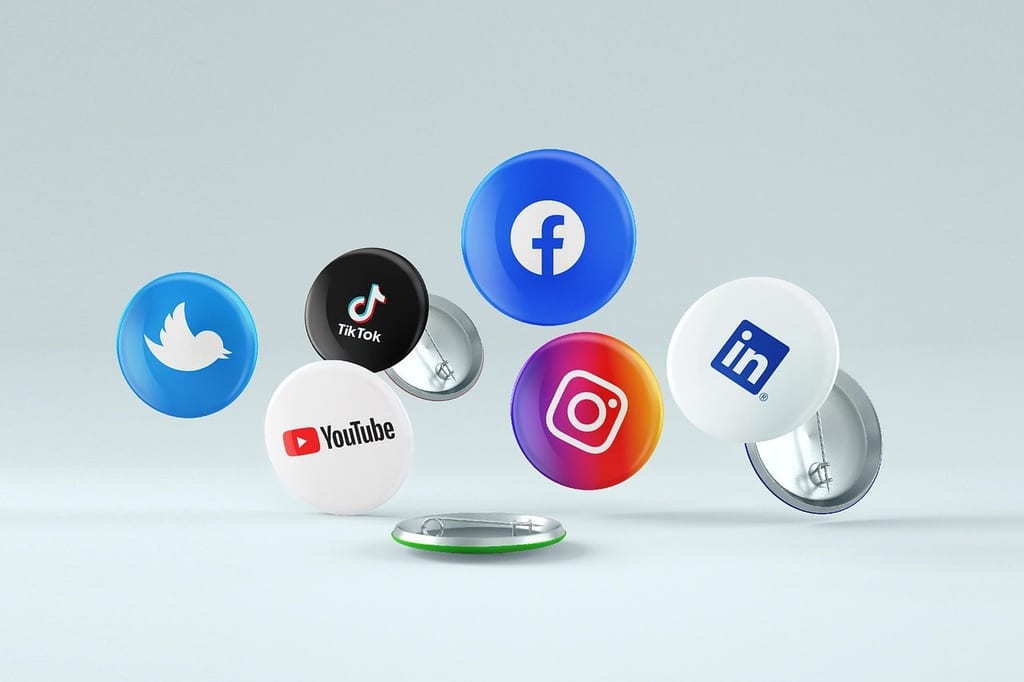
The world of paid advertising is expansive and offers various platforms and formats. Understanding the key options is crucial for choosing the right strategy for your business. Here are some paid ads you need to learn about:
- Search Engine Marketing (SEM): Platforms like Google Ads and Bing Ads allow you to bid on relevant keywords so your ads appear in search engine results pages (SERPs) when users search for those terms. SEM is highly effective for reaching users with a specific intent.
- Social Media Advertising: Platforms like Facebook, Instagram, LinkedIn, Twitter, and TikTok offer robust advertising benefits to target users based on their demographics, behaviors, interests, and connections. Social media ads are ideal for building brands, lead generation campaigns, and driving traffic.
- Display Advertising: Display ads appear on websites within advertising networks. You can choose from formats like banner ads, video ads, and image ads. This type of advertising is useful for increasing brand awareness and reaching a wider audience.
- Video Advertising: You can opt for video formats on YouTube and various social media platforms. Video is a highly engaging medium for storytelling and conveying complex messages.
- Native Advertising: Native ads are designed to blend seamlessly with the surrounding content on a website or platform, thus, less intrusive. Examples include sponsored content and in-feed ads.
Jump to: The Best Digital Marketing and How to Find It
How to Craft Effective Paid Ad Campaigns
Simply throwing money at ads won’t guarantee success. A strategic and well-executed approach is essential. Here are the key steps to crafting effective campaigns if your goal is advertising your business using paid ads:
1. Establish Your Goals
What do you want to achieve with your paid ads? Is it to increase website traffic, generate leads, drive sales, or boost brand awareness? Having clearly defined goals can guide your strategy and allow you to measure success.
2. Identify Your Target Audience
Who are you trying to reach? Understanding your target demographics’ interests, pain points, and online behavior can make your targeting options on various platforms successful.
3. Opt for the Right Platform
Select the advertising platforms most likely to reach your ideal customers and base it on your target audience and goals.
4. Develop Compelling Ad Creatives
Your ad copy and visuals need to be attention-grabbing, relevant, and persuasive. Highlight the benefits of your product or service, with a clear call to action. A seasoned marketing specialist can be hired at a fair price. You only need to consider your budget.
5. Conduct Thorough Keyword Research (for SEM)
Identify the keywords your target audience most likely uses when searching for products or services like yours. Use keyword research tools to find relevant and cost-effective terms.
6. Set a Realistic Budget
Determine how much you’re willing to invest in paid advertising. Start with a manageable budget and scale as you see positive results.
7. Implement Conversion Tracking
You can set up tracking mechanisms to monitor key actions like website visits, form submissions, and purchases that result from your ads. This data is critical when it comes to optimization.
8. Continuously Monitor and Optimize
Paid advertising is never a set-it-and-forget-it endeavor. Regularly monitor your campaign performance, analyze the data, and make adjustments to your targeting, creatives, and bidding strategies to improve results. If you feel you are not good at this department, hire an expert SEO specialist to do the job for you.
Also Read: Maximize Visibility With SEO & Digital Marketing That Drives Growth
9. Test and Iterate
Experiment with different ad formats, headlines, body copy, and calls to action to see what resonates best with your audience. A/B testing is a valuable tool for optimizing your campaigns.
How to Avoid Common Pitfalls

While paid advertising offers immense potential, it’s also easy to make mistakes that can waste your budget and yield poor results. Be mindful of these common blunders when advertising your business using paid ads:
- Lack of Clear Goals: Without defined objectives, it’s impossible to measure success or optimize effectively.
- Poor Targeting: Reaching the wrong audience means wasted ad spend and low conversion rates.
- Weak Ad Creatives: Uncompelling or irrelevant ads will be ignored, regardless of how well you target.
- Not Tracking Conversions: Without tracking, you won’t know which ads are actually driving results.
- Ignoring Data and Failing to Optimize: Letting campaigns run without monitoring and adjustments is a recipe for inefficiency.
- Unclear or Missing Call to Action: Tell users exactly what you want them to do after clicking your ad.
- Sending Traffic to Irrelevant Landing Pages: Ensure your landing page is directly related to your ad and provides a seamless user experience.
Conclusion: Moving Towards Paid Advertising Success
Advertising your business using paid ads can be a game-changer when approached strategically. By understanding the different platforms, crafting compelling campaigns, and continuously monitoring and optimizing your efforts, you can unlock significant growth opportunities.
Remember that advertising your business is an investment, and like many of its kind, it requires careful planning, execution, and ongoing attention to yield the best returns. Embrace the power of paid ads and watch your business reach new heights by hiring the best digital marketing agency.
Frequently Asked Questions
1. What are the benefits of paid advertising?
Paid advertising can make you reach a wider audience, increase visibility, and allow you to track impressions, conversions, and clicks. It can also be adjusted to fit various platforms where your target audiences are present, allows you to adjust your budget for each, and complements your organic campaign efforts.
2. How much can a startup spend on paid ads?
You can start with 5% to 10% for startups, or 7% to 8% if your annual earnings amount to less than $5 million in a year, adjusted from a net profit margin of 10% to 12%.
3. What are effective paid ad campaigns?
The most successful paid ad campaigns are those that are geared towards business goals, the right target audience, using the right platform, creating compelling creatives, and are set with the right budget.